

Imagine waking up to find a few hundred dollars in your digital wallet just for following a few social media accounts. That was the hook for the AgeOfGods is a blockchain-based NFT RPG Action Card Game developed in partnership with Juego Studios. Also known as AOG, it blends ancient mythology with modern play-to-earn mechanics. airdrop. While the initial hype of new token launches often feels like a gold rush, the reality of the AgeOfGods airdrop is a lesson in both the excitement of GameFi and the brutal volatility of the crypto market.
The AOG Airdrop Breakdown: What Happened?
The AgeOfGods project didn't just launch its token; they used a strategic giveaway to seed their community. They distributed 12,500 BUSD tokens among 250 lucky winners. It wasn't a "everyone gets a piece" style event, but rather a high-value lottery designed to create massive noise around their official launch.
To get a ticket into this lottery, users had to prove they were active supporters. This meant joining the official Telegram channel and following their Twitter handle. They used the SweepWidget platform to collect Binance Smart Chain (BSC) wallet addresses, ensuring that the rewards went to users compatible with the network where the game actually lives.
How the AgeOfGods Ecosystem Actually Works
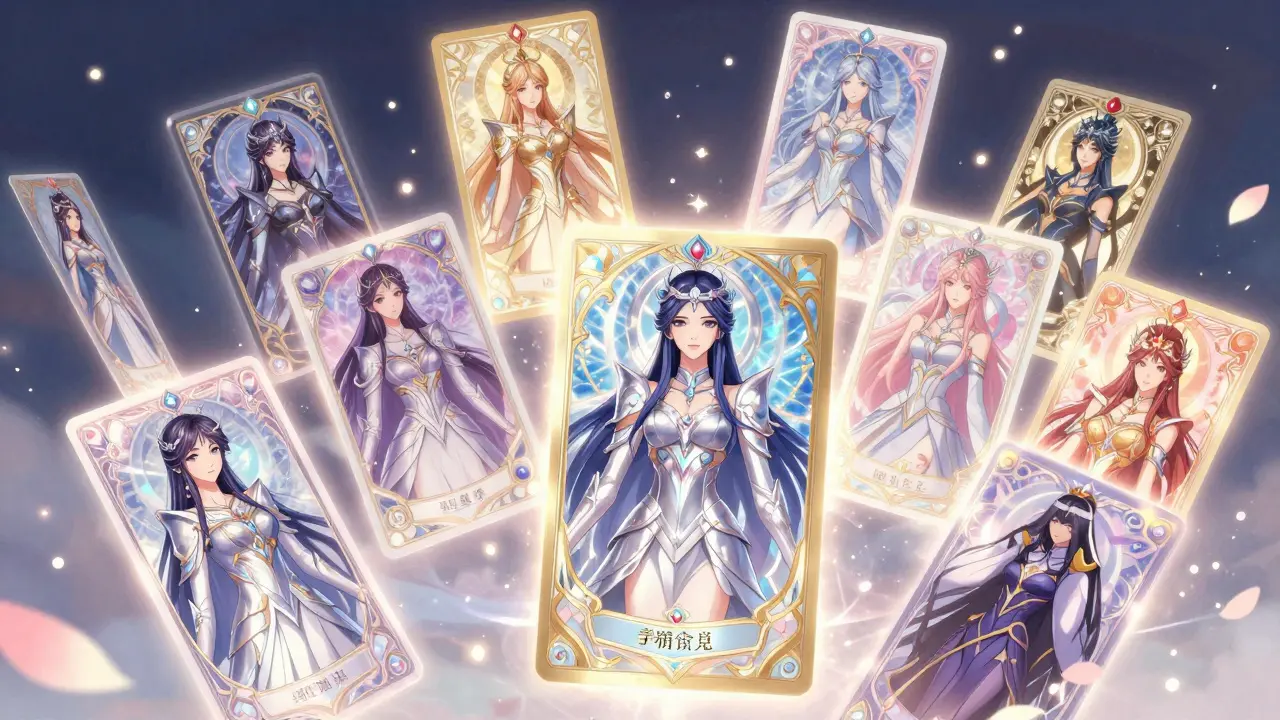
If you're wondering why people chased the airdrop, you have to look at the game itself. AgeOfGods is essentially a digital collection of mythological gods. These gods aren't just art; they are NFTs (Non-Fungible Tokens) that you can trade, upgrade, and use to battle. The game takes a page out of the AFK Arena playbook-an idle gaming model where your team continues to fight and earn rewards even while you're asleep.
Players can engage in two primary ways:
- PvE (Player versus Environment): Questing through mythological landscapes to level up.
- PvP (Player versus Player): Entering tournaments to climb the leaderboards. Higher ranks don't just bring bragging rights; they result in larger prize distributions.
Understanding AOG Tokenomics: The Burn Mechanism
The project uses a deflationary model, which in plain English means they try to reduce the number of tokens in circulation to potentially drive the price up. They claim that 100% of the revenue generated from various streams is used to buy back AOG tokens from the open market and "burn" them (destroy them forever).
Their revenue streams aren't just from the game itself. They've diversified into:
- In-game store purchases for upgrades.
- Transaction fees from the NFT marketplace.
- Merchandise sales.
- E-sports betting on competitive tournaments.
- Affiliate partnerships.
| Metric | All-Time High (ATH) | Recent Lows (2025/26) | Impact |
|---|---|---|---|
| Price (USD) | $1.12 | ~$0.000817 | 99.8% Decline |
| Market Cap | Millions | ~$86.16K | Micro-cap status |
| Trading Volume | High during TGE | ~$248,068 daily | Moderate liquidity |
The Harsh Reality: Price Analysis and Risks
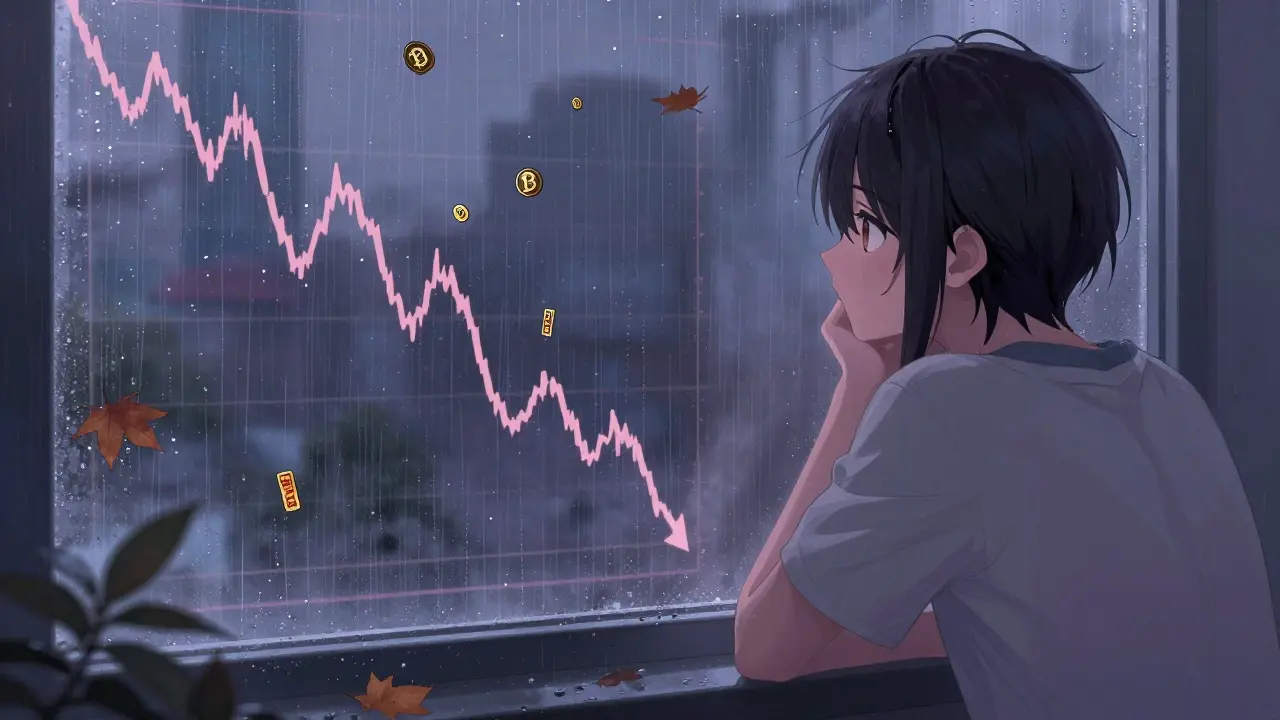
Let's be honest: the charts for AOG are a nightmare for early investors. After hitting $1.12 in early 2022, the token crashed significantly. By October 2025, it was trading around $0.000817. This is a common story in GameFi-massive hype during the Token Generation Event (TGE) followed by a slow bleed as the initial speculation fades.
Technical indicators like the Relative Strength Index (RSI) have occasionally shown "oversold" conditions (around 41.05), which some traders see as a buying opportunity. However, the price has consistently struggled to stay above the 200-day simple moving average, signaling a long-term bearish trend. For a regular person, this means that while the airdrop was "free money," investing fresh capital requires a very high risk tolerance.
Where to Trade and How to Manage Your AOG
If you've received AOG tokens from an airdrop or bought them, you'll find most of the action on KuCoin. It currently hosts the highest volume for the AOG/USDT pair. Other options include Gate.io and PancakeSwap (v2), which is the go-to for those who prefer keeping their assets in a decentralized wallet like MetaMask.
Is AgeOfGods Still Viable?
The long-term survival of AgeOfGods depends on whether they can move from being a "crypto project" to a "great game." The backing of Juego Studios gives them a professional edge in development, and the idle-game mechanic is proven to be addictive. However, a market cap of under $100k is dangerously low. It means they have limited funds for marketing and expansion.
The airdrop was a great way to get people in the door, but the real test is retention. Can they keep players coming back to battle their gods when the token price isn't skyrocketing? If they can execute their roadmap and actually burn a significant amount of tokens, they might see a recovery. Until then, it remains a high-risk, high-reward play in the blockchain gaming sector.
How did the AgeOfGods airdrop work?
Participants had to complete social tasks like following AgeOfGods on Twitter and joining their Telegram. They then submitted a Binance Smart Chain (BSC) wallet address via SweepWidget. 250 random winners were selected to share a pool of 12,500 BUSD.
What is the AOG token used for?
The AOG token is the primary currency of the AgeOfGods ecosystem. It is used for in-game transactions, rewarding players through the play-to-earn model, and is subject to a buy-and-burn mechanism to control inflation.
Is AgeOfGods a safe investment?
Like most GameFi projects, it is extremely volatile. The token has dropped over 99% from its all-time high. While the idle-game mechanics are solid, the market sentiment is currently bearish, and it should be treated as a high-risk asset.
Which blockchain does AgeOfGods use?
AgeOfGods is built on the Binance Smart Chain (BSC), which allows for faster and cheaper transactions compared to the Ethereum mainnet, making it more accessible for casual gamers.
What is an "idle gaming model" in AOG?
An idle model means your characters (Gods) continue to progress, fight, and earn rewards even when you are not actively playing the game. This allows players to generate passive income in the form of AOG tokens.
Caiaphas Konkol
April 25, 2026 AT 09:49Typical venture capital trap. They use these flashy "airdrops" and mythological skins to distract the masses while the insiders dump their bags on retail. If you actually look at the tokenomics, the burn mechanism is just a psychological trick to keep people holding while the price craters. It is all a coordinated effort to harvest liquidity from the unsuspecting. Only a fool thinks a 99% drop is a "buying opportunity." This whole GameFi sector is just a house of cards waiting for the final collapse.
Candace Sherrard
April 26, 2026 AT 18:47It is truly fascinating how we have transitioned from valuing art for its intrinsic beauty to valuing it based on its utility in a digital battle system where the rewards are tied to an incredibly volatile currency. One has to wonder if the pursuit of these digital gods is merely a modern reflection of our ancient desire for power and immortality, now repackaged into a series of smart contracts and idle gaming loops that keep us tethered to our screens. The tragedy of the price crash almost feels poetic, as it mirrors the fall of the very deities the game seeks to emulate, reminding us that no matter how high we build our digital empires, they are always subject to the whims of an indifferent market and the fleeting attention of the crowd.
Jagdish Sutar
April 27, 2026 AT 01:38BSC makes it so much easier for folks to get started without worrying about those crazy gas fees on Ethereum. It's a great way for newcomers to learn about NFTs!
Alex Wan
April 28, 2026 AT 15:26I am utterly ASTOUNDED by the sheer audacity of this markket volatillity!! It is a travesty of the higest order that early adoptors were left holdin the bag! We must strive for better regualtion to protect the innocents from such catastrophyc crashes!!
Tony Gurley-Ward
April 30, 2026 AT 06:49Burning tokens is such a quaint little fairy tale they tell us to make us feel like there's a scarcity. It's basically the financial equivalent of pretending you're on a diet while eating a whole cake. The 'idle' part is the real win here-I love the idea of making money while doing absolutely nothing. Pure laziness disguised as innovation, and I'm here for it.
Gary Lingrel
April 30, 2026 AT 09:57who cares about the burn when the price is in the dirt lol 🙄 just another pump and dump scheme masking as a game
Lisa Camp
May 1, 2026 AT 03:37Stop whining about the crash and just find a way to make it work! If you have the guts to buy the dip now, you could be the one winning big when it bounces back! Fortune favors the bold, people!
Jennifer Taylor
May 2, 2026 AT 21:50They are probably tracking your wallet and your social media just to sell your data to the highest bidder. Don't trust these "free" giveaways.
Mike Word
May 3, 2026 AT 22:54The integration of an idle mechanic is a smart move for retention because it lowers the barrier to entry for casual players who don't have hours to grind.
Clair Geary
May 4, 2026 AT 08:02just keep your head up and take it slow if you're diving in now.. maybe set a small budget so it doesnt hurt too much if it dips more!
Sarah Ingrams
May 6, 2026 AT 02:57ouch that price drop is brutal
Doc Coyle
May 6, 2026 AT 07:08Common sense dictates that a micro-cap under 100k is essentially a zombie project. The fundamentals just aren't there to support a recovery regardless of the burn rate.
Ellie Drews
May 7, 2026 AT 15:54Maybe it's just a slow start. Sometimes these games take a while to find their real audience after the initial hype dies down.
Kyle Bush
May 7, 2026 AT 17:01USA TO THE MOON! 🚀🇺🇸 Let's get this bread and dominate the leaderboards! Who cares about the risks when the gains are this potentially huge! 💰🔥
Gloris Young
May 9, 2026 AT 09:02KuCoin is usually pretty reliable for these kinds of tokens. Just be careful with the liquidity!
Hannah Rubia
May 10, 2026 AT 06:51It is imperative to maintain a diversified portfolio to mitigate the inherent risks associated with GameFi assets of this nature.
debashish sahu
May 11, 2026 AT 14:48The use of SweepWidget for airdrops is a very standard practice across many emerging projects to ensure basic community engagement.
jill huyo-a
May 12, 2026 AT 14:51I wonder if the developers have any plans to introduce more utility for the tokens beyond just the burn and rewards system. It would be great to see some real-world integration or maybe a cross-game partnership to bring in new players and actually stabilize the market cap. Hopefully, the team is listening to the community and not just focusing on the technical side of the blockchain.