

You’ve likely heard the name Daexs Exchange somewhere online. Maybe it was a pop-up ad promising insane returns, a message from a stranger on social media, or a recommendation in a shady Telegram group. The platform claims to be a cutting-edge crypto exchange. But here is the hard truth you need to hear right now: there is virtually no credible information about Daexs Exchange in any major financial database, regulatory registry, or reputable crypto news outlet as of May 2026.
In the world of cryptocurrency, silence from authoritative sources is not just suspicious-it is often a red flag. When a platform cannot be found in reviews from trusted industry analysts, lacks a clear team behind it, and offers no verifiable track record, the risk skyrockets. This guide isn’t just a review; it’s a safety check. We will break down why Daexs Exchange raises so many alarms, how to spot similar scams, and what safe alternatives actually look like in today’s market.
The Red Flags: Why Daexs Exchange Should Make You Nervous
Let’s get straight to the point. If you are looking for a place to park your Bitcoin or trade Ethereum, Daexs Exchange should probably not be on your shortlist. Here is why.
Lack of Regulatory Oversight is the biggest issue. Legitimate exchanges operate under licenses from bodies like the Financial Conduct Authority (FCA) in the UK, the Monetary Authority of Singapore (MAS), or various state regulators in the US. A quick search reveals that Daexs Exchange holds no such licenses. Operating without regulation means there is no legal recourse if they freeze your funds, disappear with them, or suffer a massive hack. Your money is entirely at their mercy.
Secondly, consider the Absence of Public Information. Who runs this company? Where is their headquarters? Legitimate businesses list their leadership teams, physical addresses, and contact details prominently. Daexs Exchange appears to be a ghost. There are no LinkedIn profiles for founders, no press releases from established media, and no transparent governance structure. In crypto, anonymity can be a feature for privacy coins, but for an exchange handling user deposits, it is a liability.
Third, look at the User Reviews and Community Sentiment. While some platforms have mixed reviews, new scams often rely on fake five-star ratings on obscure sites. On major forums like Reddit, Bitcointalk, or Trustpilot, genuine discussions about Daexs Exchange are scarce or nonexistent. Instead, you might find warnings from users who lost money on similarly named platforms. The lack of organic community trust is a massive warning sign.
How Crypto Scams Work: The Pattern Behind Unknown Exchanges
Understanding how these platforms operate helps you protect yourself. Most unknown exchanges follow a predictable playbook designed to separate you from your assets.
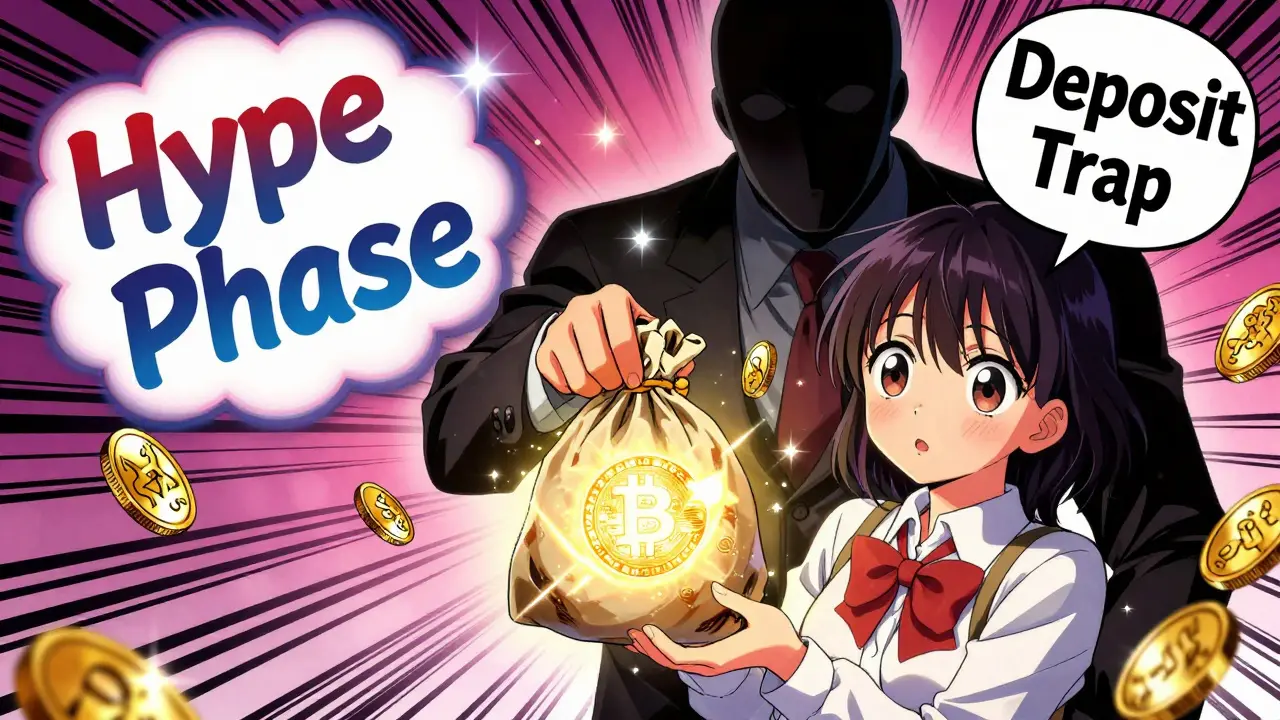
- The Hype Phase: They use aggressive marketing. Influencers (often paid or using bot accounts) post screenshots of huge profits. The promise is usually "high leverage," "zero fees," or "exclusive tokens" you can’t get anywhere else.
- The Deposit Trap: Signing up is easy. Depositing crypto is seamless. They want you to put money in quickly before you have time to think critically.
- The Illusion of Profit: You log in, and your portfolio shows gains. The numbers go up. This is psychological manipulation. The goal is to make you feel smart and encourage you to deposit more.
- The Withdrawal Wall: When you try to cash out, problems start. You’re told you need to pay a "verification fee," a "tax," or a "security deposit." Once you pay that, another fee appears. Eventually, the site may go offline, or customer support vanishes completely.
This pattern is common among phishing sites and fraudulent centralized exchanges. If Daexs Exchange asks for upfront fees to withdraw funds, close the tab immediately. No legitimate exchange charges you to access your own money.
What Makes a Crypto Exchange Actually Safe?
To understand why Daexs falls short, we need to look at what defines a trustworthy platform in 2026. Safety isn’t just about technology; it’s about accountability.
Proof of Reserves (PoR) has become the gold standard. Reputable exchanges regularly publish cryptographic proofs showing that they hold enough assets to cover all user balances. This prevents them from lending out your money or using it for risky investments. Daexs Exchange does not provide independent, audited Proof of Reserves.
Custody Solutions matter too. Safe exchanges use multi-signature wallets and cold storage (offline wallets) to keep the majority of funds away from internet-connected servers. Some even partner with third-party custodians like Fireblocks or Copper to add an extra layer of security. Without knowing Daexs’ infrastructure, you must assume their security is inadequate.
Finally, Insurance Funds. Many top-tier exchanges maintain insurance pools to compensate users in the event of a hack. This doesn’t guarantee full reimbursement, but it shows a commitment to user protection. Again, there is no evidence Daexs has such a fund.

Safe Alternatives: Where You Should Trade Instead
If you are looking for a reliable place to trade, stick to platforms with years of history, millions of users, and strong regulatory compliance. Here are three proven options for different needs.
| Exchange | Type | Best For | Key Safety Feature |
|---|---|---|---|
| Coinbase | Centralized (CEX) | Beginners, US Users | NASDAQ-listed, insured USD deposits |
| Kraken | Centralized (CEX) | Security-focused traders | Strong audit history, no major hacks |
| Uniswap | Decentralized (DEX) | Self-custody advocates | No account needed, open-source code |
Coinbase is the go-to for beginners, especially in the US. Being a publicly traded company adds a layer of transparency. They offer insurance for digital assets held in cold storage and comply with strict KYC (Know Your Customer) regulations.
Kraken has built a reputation on security over the last decade. They are known for rigorous audits and excellent customer support. If you prioritize keeping your funds safe above all else, Kraken is a solid choice.
Uniswap represents the decentralized alternative. As a DEX, it doesn’t hold your funds. You connect your own wallet (like MetaMask) and trade directly from the blockchain. This eliminates counterparty risk-the exchange can’t run away with your money because they never had custody of it. However, you are responsible for your own private keys.

Due Diligence Checklist: Vetting Any New Platform
Before you ever deposit a single satoshi into an exchange, whether it’s Daexs or something else, run through this checklist. It takes five minutes and could save you thousands.
- Check Domain Age: Use tools like WHOIS to see when the website was registered. If it’s less than six months old, be extremely cautious. Established platforms have domains aged several years.
- Verify Social Media Presence: Look at their Twitter, Discord, and Telegram. Are the followers real? Do they engage with criticism, or do they only post hype? Fake accounts often have generic profile pictures and low engagement.
- Search for Independent Audits: Did a reputable firm audit their smart contracts (for DEXs) or their internal controls (for CEXs)? If they claim to be secure but have no audit report, ignore them.
- Test Customer Support: Ask a simple question via live chat or email. If they take days to reply, give generic answers, or refuse to answer specific questions about security, walk away.
- Look for Negative News: Search "[Platform Name] scam" or "[Platform Name] withdrawal issues." Real problems surface quickly in the crypto community.
Conclusion: Protect Your Capital
The crypto market is filled with opportunities, but it is also rife with traps. Daexs Exchange lacks the transparency, regulation, and community trust required to be considered safe. In an industry where losing access to your funds can be permanent, taking shortcuts by using unknown platforms is a gamble you shouldn’t take.
Stick to established names like Coinbase, Kraken, or Uniswap. Use hardware wallets for long-term storage. Never invest more than you can afford to lose. Your financial security depends on your diligence, not on the promises of anonymous websites.
Is Daexs Exchange a scam?
While we cannot definitively label it a scam without legal proof, Daexs Exchange exhibits multiple high-risk characteristics associated with fraudulent platforms. These include a lack of regulatory licensing, no public team information, absence of independent audits, and zero presence in reputable financial databases. Proceeding with caution is strongly advised.
Why can't I find reviews for Daexs Exchange?
The lack of reviews is a major red flag. Legitimate exchanges have extensive coverage in news outlets, forum discussions, and user testimonials. If a platform is invisible to major reviewers, it likely either has very few users (indicating low liquidity and stability) or is intentionally avoiding scrutiny due to questionable practices.
What should I do if I already deposited money into Daexs?
Try to withdraw your funds immediately. If you encounter obstacles like unexpected fees or delays, stop interacting with the platform. Do not send more money to "unlock" your assets. Document all transactions and communications. Consider reporting the incident to local consumer protection agencies or cybercrime units, though recovery is often difficult.
Are decentralized exchanges (DEXs) safer than centralized ones?
They offer a different type of safety. With a DEX like Uniswap, you retain control of your private keys, so the exchange cannot steal your funds. However, you are exposed to smart contract risks and phishing attacks. Centralized exchanges like Coinbase offer easier recovery and insurance but require you to trust the company with your assets. Both have risks, but DEXs eliminate counterparty risk.
How can I verify if a crypto exchange is regulated?
Visit the official websites of financial regulators in relevant jurisdictions, such as the FCA (UK), MAS (Singapore), or FinCEN (US). Most maintain public registers of licensed entities. Search for the exchange's name. If they are not listed, they are operating illegally in those regions. Be wary of vague claims like "globally regulated" without specific license numbers.