

Have you heard the buzz about the ECIO and its supposed partnership with CoinMarketCap for a pre-game launch airdrop? It sounds too good to be true. You might be scrolling through Twitter or Telegram, seeing claims that you can get free tokens just by joining a campaign. But here is the hard truth: as of June 2026, there is no official record of an ECIO project, nor any verified "Pre-Game Launch" campaign hosted on CoinMarketCap’s official airdrop platform.
In the world of cryptocurrency, silence from major platforms usually means one thing: caution. CoinMarketCap, one of the most trusted data aggregators in the industry, lists zero current or upcoming airdrops for a project named ECIO. This absence is not a glitch; it is a significant red flag. Before you connect your wallet or share personal details, we need to break down what this campaign claims to be, why it isn't showing up where it should, and how you can protect your assets from sophisticated scams that mimic legitimate opportunities.
The Reality Check: Is the ECIO Campaign Real?
Let’s look at the facts. When a project partners with a giant like CoinMarketCap is a leading digital asset price tracking website that provides real-time market data., the announcement is loud and clear. It appears on their homepage, their newsletter, and their dedicated airdrop section. Currently, that section shows empty slots for active campaigns involving ECIO.
This doesn’t necessarily mean the project doesn’t exist, but it does mean the specific claim of a "CoinMarketCap x Ecio" official listing is unverified. In 2025 and into 2026, the airdrop landscape has shifted dramatically. Projects no longer rely on simple giveaways. They use complex smart contracts, zero-knowledge proofs for privacy, and rigorous eligibility checks. If a campaign promises easy money without these technical hurdles, it is likely bypassing standard security protocols entirely.
Many users fall into the trap of trusting screenshots or influencer posts. These are easily faked. The only source of truth is the primary platform itself. If CoinMarketCap hasn’t listed it, treat the opportunity as high-risk until proven otherwise. Always verify announcements directly from the project’s official GitHub repository or verified social media channels, never from third-party links sent via direct message.
How Modern Legitimate Airdrops Work in 2026
To understand why the ECIO campaign raises eyebrows, you need to know how real airdrops operate today. The days of random token drops are over. Today’s successful distributions are strategic tools for community building and protocol alignment. Here is what a legitimate, high-quality airdrop looks like:
- Programmable Allocation: Tokens are distributed based on actual usage. Did you bridge funds? Did you provide liquidity? Smart contracts track this automatically. There is no manual form-filling for basic eligibility.
- Time-Locked Rewards: To prevent immediate dumping, rewards are often vested. You might earn tokens over six months, encouraging you to stay engaged with the ecosystem.
- Cross-Protocol Verification: Legitimate projects check your history across multiple chains. They want users who have interacted with DeFi before, not new accounts created solely for farming.
- Hardware Wallet Support: Security is paramount. Top-tier airdrops allow claiming via hardware wallets like Ledger or Trezor, ensuring private keys never touch a vulnerable web browser.
If the ECIO campaign asks you to sign a transaction that grants unlimited allowance to an unknown contract, or if it requires you to send ETH to "verify" your address, stop immediately. That is not an airdrop; that is a drain attack.
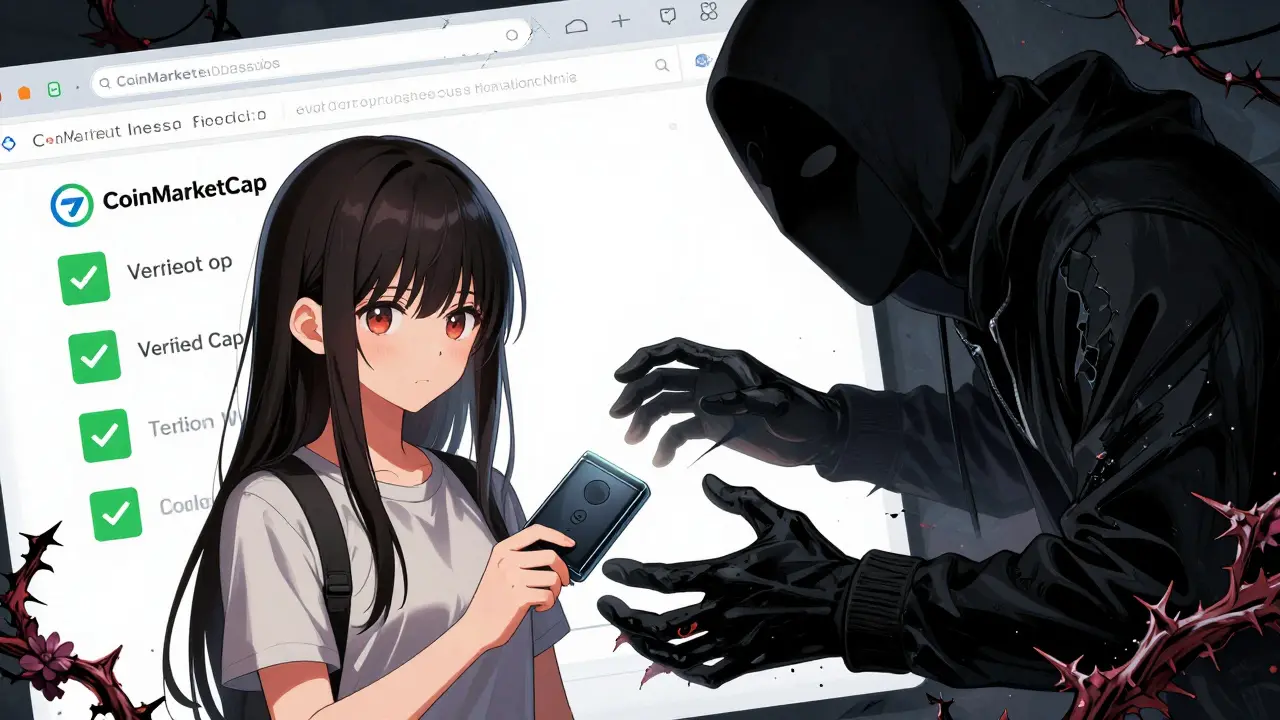
Red Flags: Identifying Fake Airdrop Campaigns
Scammers are incredibly creative. They clone websites, spoof email addresses, and create fake CoinMarketCap pages that look nearly identical to the real thing. Here is a checklist to help you spot a fake ECIO or similar campaign:
| Feature | Legitimate Campaign | Suspicious/Fake Campaign |
|---|---|---|
| Official Listing | Listed on CoinMarketCap, CoinGecko, or project’s verified site | No trace on major aggregators; only promoted via DMs or obscure forums |
| Cost to Participate | Free (gas fees only for interaction) | Requires sending tokens, paying a "verification fee," or buying NFTs |
| Website URL | Matches official domain exactly (check SSL certificate) | Slight misspellings (e.g., ecio-official.com vs ecioofficial.com) or newly registered domains |
| Smart Contract Audit | Audited by firms like CertiK, OpenZeppelin, or Trail of Bits | No audit report, or a fake PDF that cannot be verified |
| Community Engagement | Active Discord/Telegram with moderators answering technical questions | Bots flooding chat with hype; admins ignore questions about security |
Pay close attention to the URL. Scammers often buy domains that look similar to the real project. If you click a link from a tweet, hover over it first. Does it lead to `coinmarketcap.com` or a look-alike like `cmcairdrop.net`? One wrong character can cost you everything.
Steps to Verify Any Crypto Opportunity Safely
You don’t need to be a developer to stay safe. Follow these steps before engaging with any airdrop, including rumors around ECIO:
- Check Primary Sources: Go directly to the project’s official website. Do not use search engine ads. Look for a "News" or "Airdrop" section. If it’s not there, assume it doesn’t exist.
- Verify Social Media Handles: Look for the blue checkmark on X (Twitter) and verified badges on Telegram. Check the account creation date. A brand-new account claiming to represent a major project is a scam.
- Use Revoke.cash: Before connecting your wallet to any new site, visit revoke.cash. This tool lets you see which contracts have access to your tokens. If you see suspicious allowances, revoke them immediately.
- Search Community Feedback: Search Reddit and Discord for the project name plus words like "scam," "fake," or "review." Real users will often warn others about phishing attempts.
- Never Share Seed Phrases: No legitimate airdrop will ever ask for your 12 or 24-word seed phrase. If a site asks for this, close the tab instantly.

The Evolution of Airdrop Strategies
Why are scams so prevalent now? Because the value of legitimate airdrops has skyrocketed. In 2025, projects like MetaMask, zkSync, and LayerZero offered rewards worth thousands of dollars. This high reward potential attracts bad actors who want to exploit eager participants. The strategy has shifted from quantity to quality. Projects want loyal users, not bots. This makes verification harder for scammers to fake, but also makes them more desperate to trick you.
Platforms like LayerQuest have emerged to specialize in Layer 2 and Layer 3 airdrops, providing a curated list of verified opportunities. If an airdrop isn’t listed on reputable aggregators like Airdrops.io or LayerQuest, and certainly not on CoinMarketCap’s official page, proceed with extreme caution. The effort required to farm these legitimate drops is significant, involving real interactions with the protocol, not just clicking a button.
What Should You Do If You Already Participated?
If you connected your wallet to a suspicious ECIO site, act fast. First, do not panic. Check your transaction history. Did you approve a token transfer? If yes, go to revoke.cash and remove that approval. Second, move your remaining funds to a new wallet. Generate a new seed phrase on a clean device and transfer your assets there. Consider the old wallet compromised. While the attacker may not have stolen anything yet, they have the keys to do so if you leave approvals in place.
Report the incident. Use tools like ScamAdviser or contact the support teams of legitimate platforms to warn them. Helping the community protects everyone. Remember, in crypto, trust is earned through transparency and code, not marketing hype.
Is there an official ECIO airdrop on CoinMarketCap?
As of June 2026, there is no official ECIO airdrop listed on CoinMarketCap. The platform shows zero current or upcoming campaigns for this project. Any claims suggesting otherwise are likely unverified or fraudulent.
How can I tell if a crypto airdrop is a scam?
Look for red flags such as requests for payment to participate, URLs that slightly misspell the project name, lack of presence on major trackers like CoinGecko or CoinMarketCap, and demands for your seed phrase. Legitimate airdrops never ask for money or private keys.
What is the safest way to claim a crypto airdrop?
Always verify the campaign on the project’s official website and social media channels. Use a burner wallet with minimal funds for testing. Check smart contract audits from reputable firms like CertiK. Never connect your main holding wallet to unverified sites.
Why aren't there many airdrops on CoinMarketCap right now?
The airdrop landscape has evolved. Many projects now use decentralized platforms like LayerQuest or direct protocol interactions for distribution. Additionally, CoinMarketCap maintains strict verification standards, so only highly vetted campaigns appear on their official list.
What should I do if I accidentally connected my wallet to a fake airdrop site?
Immediately revoke all token approvals using a tool like revoke.cash. Transfer any remaining funds from that wallet to a new, secure wallet with a fresh seed phrase. Treat the compromised wallet as unsafe for future transactions.
Daniel J. Cox
June 27, 2026 AT 06:33Man, I just checked the CoinMarketCap page myself and yeah, it's totally empty for ECIO. It's wild how these things spread on Twitter before anyone actually verifies them. :/
John Curry
June 28, 2026 AT 04:07The silence from the big players is deafening, isn't it? In a world where information is supposed to be transparent, this void feels like a screaming warning sign. We are witnessing the collapse of trust in real-time.
Nicole Woessner
June 28, 2026 AT 05:05i mean its pretty obvious when you look at the facts but people get so greedy they ignore basic logic lol
Jon Milton
June 29, 2026 AT 05:22You guys need to wake up! The fact that there is no audit report is not just a red flag, it is a giant neon sign saying 'SCAM'. Stop being naive and start protecting your assets. This is exactly why we lose money in this industry. Get educated or get rekt.
Sajjad Ghorbani Moghaddam
June 30, 2026 AT 12:21Hey everyone, just wanted to chime in and say that using revoke.cash is a game changer. I used it last week after connecting to some shady dApp and found three approvals I didn't remember making. Definitely check that out if you're worried.
Rob Morton
July 2, 2026 AT 11:25I've been thinking about how the definition of an airdrop has changed. It used to be free money, now it's basically work. Do you think this shift makes the ecosystem safer, or does it just raise the barrier for entry too high?
Routh Middaugh
July 3, 2026 AT 22:05It really is quite unfortunate; however, one must remain vigilant! The lack of presence on major aggregators is truly concerning. One should always verify via primary sources, as secondary claims are often misleading. Stay safe, friends!
Ryan Peters
July 4, 2026 AT 11:33Typical crypto bro behavior. Chase the hype, ignore the fundamentals, then cry when you get drained. The market doesn't care about your feelings. If it ain't on CMC, it ain't real. Simple as that. Stop letting foreign scams bleed us dry.
ross harris
July 6, 2026 AT 10:27Ah, the sweet nectar of deception flows through the veins of this digital colossus. You connect your wallet, thinking you are claiming rewards, but really you are feeding the beast. The smart contract is a hungry mouth waiting to swallow your ETH whole. Deliciously tragic.
Carl Belgrave
July 8, 2026 AT 03:25This is why I say we need stricter regulations. These scammers prey on the weak and the uninformed. It's pathetic that people still fall for this garbage. Wake up and take responsibility for your own security instead of blaming the system.
Carl Hanzel
July 8, 2026 AT 08:18Oh sure, let's all pretend this is some groundbreaking discovery. It's not. Everyone knows airdrops are mostly scams now. But here we are, reading a blog post about it like we've never heard of a rug pull before. How quaint.
Emma Rémond
July 9, 2026 AT 10:28It is frankly astonishing that the general populace lacks the sophistication to recognize a phishing attempt. The absence of a CertiK audit is not merely a suggestion; it is a definitive indicator of incompetence. One would assume basic due diligence is inherent to participation in decentralized finance.
ELNORA JEFFERSON
July 11, 2026 AT 03:35Boring article. Another day another scam alert. Can we talk about something interesting please?
Carol @minaszilda
July 11, 2026 AT 04:28Take a deep breath. It's okay to feel frustrated. Just remember to double-check everything. You got this.
Trent Erman1
July 13, 2026 AT 01:22Great points everyone! Let's keep the community safe by sharing this info. Don't forget to use hardware wallets! 🚀💪
Fiona Ellis
July 14, 2026 AT 14:47I noticed you mentioned checking URLs carefully. It is imperative to inspect the SSL certificate as well. Many people overlook this detail, yet it provides crucial verification of the site's authenticity. Always hover before you click. 😊