

You’ve probably heard the name Horn Exchange somewhere-maybe in a spammy email, a suspicious Telegram group, or an ad promising massive returns. But here’s the hard truth: as of mid-2026, there is zero credible evidence that this platform exists as a legitimate cryptocurrency exchange. Major tracking sites like CoinGecko and CoinMarketCap do not list it. Regulators haven’t approved it. And reputable financial news outlets aren’t covering it.
If you’re looking for a place to buy Bitcoin, Ethereum, or other digital assets, putting your money into an unverified platform is one of the fastest ways to lose everything. This isn’t just cautionary advice; it’s a warning based on how modern crypto scams operate. Let’s break down why Horn Exchange raises every red flag possible and what you should actually be doing instead.
The Red Flags: Why Horn Exchange Doesn't Exist in Trusted Data
When I checked the top sources for exchange data-CoinGecko, CoinMarketCap, Money.com, and NerdWallet-Horn Exchange wasn’t there. Not even a shadow. These platforms track thousands of exchanges globally. If Horn Exchange were processing real volume, it would show up. Instead, we see established names like Kraken, Coinbase, and Crypto.com dominating the rankings with billions in daily volume and perfect trust scores.
- No Listing on Aggregators: CoinGecko and CoinMarketCap are the gold standards for tracking crypto markets. If an exchange isn’t listed, it likely has no transparent order book or verified trading history.
- No Regulatory Footprint: Legitimate exchanges register with bodies like the FCA (UK), SEC (US), or FMA (New Zealand). A quick search reveals no registration for Horn Exchange.
- No Independent Reviews: Real users leave reviews on Trustpilot, Reddit, or specialized crypto forums. For Horn Exchange, the silence is deafening, or worse, filled with bot-generated praise.
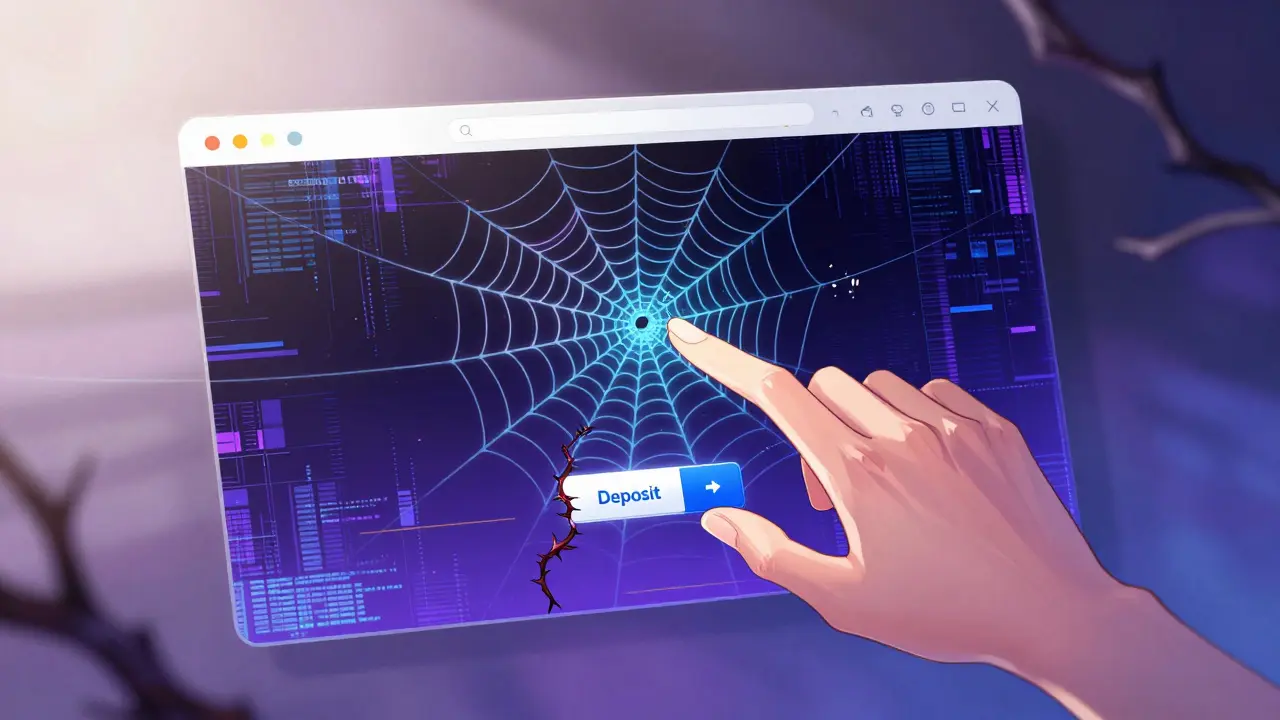
This absence isn’t an oversight. It’s a hallmark of a "honeypot" or a fake exchange designed to steal deposits. These platforms often look professional, with sleek websites and fake charts showing prices going up. But once you deposit funds, you can’t withdraw them.
How Fake Crypto Exchanges Operate in 2026
You might wonder, "If it’s so obvious, why do people fall for it?" Because scammers have gotten smarter. They don’t just send phishing emails anymore. They create entire ecosystems of deception.
Here is the typical lifecycle of a fake exchange like Horn Exchange:
- The Hook: You see an ad on social media claiming exclusive access to a new token or guaranteed high yields. The website looks modern, uses buzzwords like "AI-driven trading" or "institutional grade security," and features fake testimonials.
- The Deposit: You sign up and deposit crypto (usually Bitcoin or USDT) into a wallet address provided by the site. The dashboard immediately shows your balance plus "profits." This is fake. The numbers are just code on a screen.
- The Trap: When you try to withdraw, you’re told you need to pay a "tax," a "verification fee," or upgrade your account tier. Every time you pay, they ask for more.
- The Disappearance: Eventually, the website goes offline, or customer support vanishes. Your funds are gone forever, sent to untraceable wallets.
In 2026, regulators worldwide are cracking down harder on these schemes. However, the speed at which new fake platforms launch outpaces enforcement. That’s why due diligence is your only real defense.
What Makes a Crypto Exchange Legitimate?
To protect yourself, you need to know what a real exchange looks like. Legitimate platforms prioritize transparency, security, and regulatory compliance. Here are the key attributes you should check before trusting any platform with your money.
| Feature | Legitimate Exchange (e.g., Coinbase, Kraken) | Suspicious Platform (e.g., Horn Exchange) |
|---|---|---|
| Regulatory Status | Listed with government bodies (SEC, FCA, etc.) | No public registration or vague offshore claims |
| Third-Party Verification | Listed on CoinGecko/CoinMarketCap with audited volume | Absent from major aggregators or lists fake volume |
| Withdrawal Process | Clear fees, standard processing times, no upfront payments | Requests extra fees/taxes to release funds |
| Customer Support | Responsive, verifiable contact info, live chat | Only WhatsApp/Telegram bots, slow or generic responses |
| Security Audits | Public proof-of-reserves, regular third-party security audits | No proof of reserves, hidden backend |
Notice the difference? Legitimate exchanges have nothing to hide. They publish proof-of-reserves reports to show they actually hold the assets they claim to manage. They accept the scrutiny of regulators because their business model relies on trust.
Safer Alternatives: Where Should You Trade Instead?
Since Horn Exchange is not a viable option, where should you go? As of 2026, several platforms offer robust security, low fees, and excellent user experiences. Here are three top-tier alternatives that consistently rank high for trust and reliability.
1. Coinbase
Coinbase remains the go-to for beginners and institutional investors alike. Ranked highly by both CoinGecko and CoinMarketCap, it offers a 10/10 trust score. It’s publicly traded on the NYSE, meaning it undergoes strict financial reporting. While fees can be higher for small trades, its insurance coverage and ease of use make it a solid choice for holding major cryptocurrencies.
2. Kraken
Kraken is a favorite among experienced traders. Known for its strong security record-it has never been hacked-it offers advanced trading tools, margin trading, and a wide range of altcoins. With a 10/10 trust score and significant daily volume, Kraken provides liquidity without the bloat of some larger competitors.
3. Crypto.com
Crypto.com has evolved into a comprehensive ecosystem. It offers competitive fees, a user-friendly app, and additional perks like cashback cards and staking rewards. With a 9/10 trust score and billions in daily volume, it balances accessibility with serious trading capabilities.
These platforms are not perfect-they all have their pros and cons-but they are transparent. You can verify their existence, their regulatory status, and their user base independently.
How to Verify Any Crypto Exchange Yourself
Don’t just take my word for it. Empower yourself with a simple checklist to vet any exchange you encounter. This process takes five minutes but can save you thousands of dollars.
- Check CoinGecko/CoinMarketCap: Search for the exchange. If it’s not there, or if the volume looks artificially inflated (e.g., $1 billion volume but only 100 users), walk away.
- Search for Regulatory Licenses: Go to the official website of the regulator in your country (e.g., FINRA in the US, FCA in the UK). Search their register for the exchange’s name. If it’s not listed, it’s operating illegally in your jurisdiction.
- Look for Proof of Reserves: Legitimate exchanges publish Merkle tree proofs or audit reports from firms like Armanino or BDO. If they don’t, how do you know they have your money?
- Test Customer Support: Ask a specific question before depositing. If the response is generic, delayed, or comes from a personal phone number, it’s a bad sign.
- Read Recent User Complaints: Search "[Exchange Name] scam" or "[Exchange Name] withdrawal issues" on Reddit and Twitter. Filter by recent posts. Real problems surface quickly in these communities.

What To Do If You’ve Already Sent Money to Horn Exchange
If you’ve already deposited funds into Horn Exchange or a similar unverified platform, act immediately. Time is critical.
- Stop Sending More Money: Never pay "fees" to withdraw. This is the most common trap. Once you stop paying, they may try to scare you with threats of legal action. Ignore them.
- Document Everything: Save screenshots of your account, transaction hashes, emails, and chat logs. Note the wallet addresses you sent funds to.
- Contact Your Bank/Wallet Provider: If you bought crypto via credit card or bank transfer, contact your provider immediately to report fraud. There’s a small window to reverse transactions.
- Report to Authorities: File a report with your local cybercrime unit. In New Zealand, this would be the Police Cyber Crime Unit. In the US, file with the FTC or IC3. While recovery is difficult, reporting helps build cases against these networks.
- Secure Your Accounts: Change passwords for any accounts linked to the exchange. Enable two-factor authentication (2FA) using an authenticator app, not SMS.
Recovery from crypto scams is rare, but not impossible if caught early. However, prevention is infinitely better than cure.
The Future of Crypto Safety in 2026
The landscape of cryptocurrency regulation is tightening globally. Governments are demanding higher standards for custody, transparency, and consumer protection. Platforms that refuse to comply are being shut down or blacklisted. This means that while scams like Horn Exchange will persist, they will become easier to identify and avoid.
As a user, your role is to stay informed. Don’t chase hype. Don’t trust promises of guaranteed returns. Stick to platforms that are willing to put their house in order. The crypto market is volatile enough without adding the risk of outright theft.
Remember, if an exchange sounds too good to be true, or if you can’t find basic information about it, it’s not a hidden gem. It’s a hazard. Protect your capital by choosing platforms with proven track records, regulatory oversight, and transparent operations.
Is Horn Exchange a scam?
While we cannot definitively label it without direct interaction, all available indicators suggest Horn Exchange is illegitimate. It lacks listings on major trackers like CoinGecko, has no regulatory registration, and shows no independent user reviews. These are classic signs of a fraudulent platform designed to steal deposits.
Why isn't Horn Exchange listed on CoinGecko or CoinMarketCap?
Legitimate exchanges apply for listing on these platforms to gain credibility and visibility. Horn Exchange’s absence suggests it either doesn’t meet the minimum criteria for transparency and volume, or it is a fake platform that avoids scrutiny. Major aggregators require proof of operational integrity before listing.
Can I recover my money if I lost it to Horn Exchange?
Recovery is extremely difficult but not always impossible. If you used a credit card or bank transfer, contact your provider immediately to dispute the charge. If you sent crypto directly, report the transaction hash to authorities and blockchain analytics firms. However, you should assume the funds are lost and focus on securing your remaining assets.
What are the safest crypto exchanges in 2026?
Top-rated exchanges in 2026 include Coinbase, Kraken, and Crypto.com. These platforms have high trust scores (9-10/10), are regulated in multiple jurisdictions, and provide transparent proof-of-reserves. They are widely reviewed and have billions in daily trading volume, ensuring liquidity and security.
How can I tell if a crypto exchange is legitimate?
Check for regulatory licenses in your country, verify listings on CoinGecko or CoinMarketCap, look for published proof-of-reserves audits, and read independent user reviews on platforms like Trustpilot and Reddit. Legitimate exchanges will have clear contact information and responsive customer support.
Does Horn Exchange have an app?
There is no verified official app for Horn Exchange on major app stores like Apple App Store or Google Play Store. Be wary of any APK files or links claiming to be the official app, as these are often malware designed to steal your login credentials or private keys.