
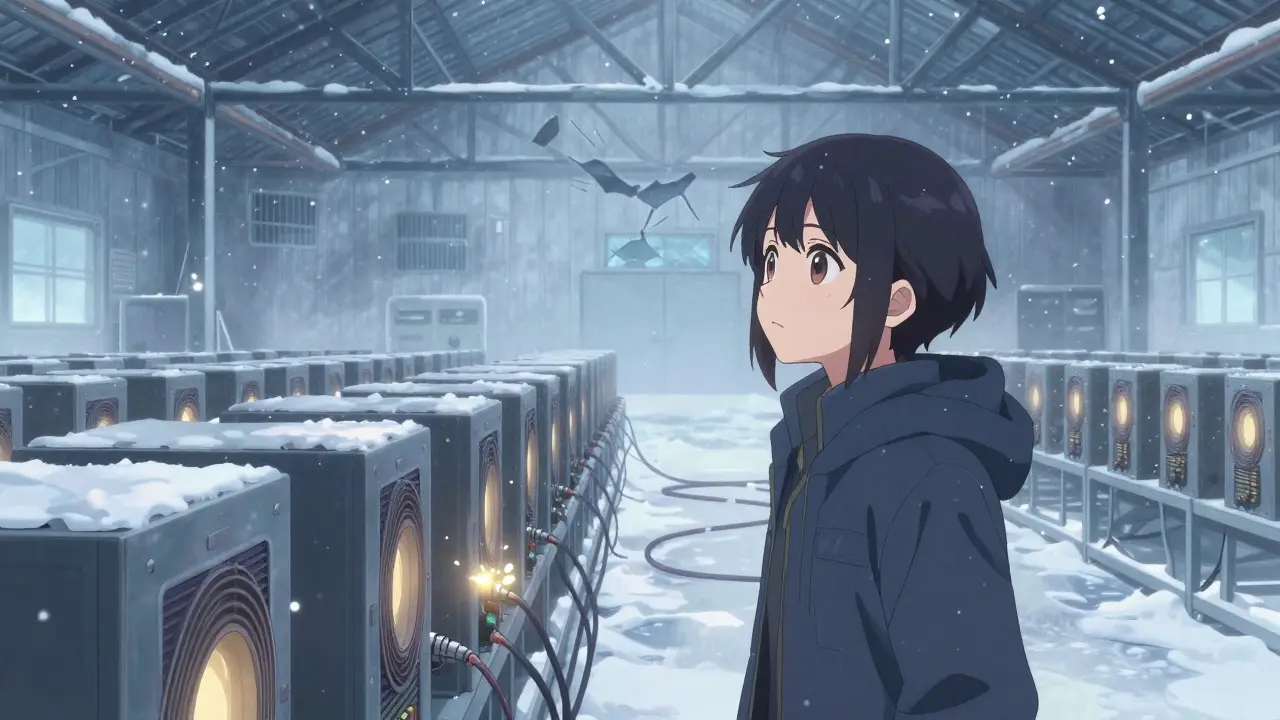
Imagine buying expensive mining rigs, setting them up in a cold Siberian warehouse, and then having the government remotely cut your power because a hospital nearby needs electricity more. This isn’t a dystopian sci-fi plot; it’s the reality for cryptocurrency miners in Russia as of 2026. The landscape shifted dramatically starting January 1, 2025, when strict new laws went into effect. If you are thinking about mining Bitcoin or other coins in Russia, you need to understand that while mining is technically legal, it comes with heavy chains attached.
The Russian government has moved from a stance of vague prohibition to one of aggressive control. They want the tax revenue and the technological prestige, but they refuse to let miners drain the national grid. This guide breaks down exactly where you can mine, what you have to pay, and how the state plans to shut you off if things get tight.
The Core Legal Framework: Controlled Legalization
In August and October 2024, President Vladimir Putin signed comprehensive legislation that changed everything. Before this, many miners operated in a gray area, hoping not to be noticed. Now, there is a clear rulebook, but it is designed to keep miners on a short leash. The central idea is "controlled legalization." You can mine, but only if you play by the state’s rules.
The most critical change is the classification of miners. Under the new laws, cryptocurrency miners are classified as fourth category consumers. In simple terms, this means you are at the bottom of the food chain for electricity usage. When the grid is stressed, essential services like hospitals, residential heating, and critical industries get priority. Miners are the first to be cut off. Authorities now have the technical ability to remotely disconnect mining equipment during periods of high electrical demand. One click from a regulator, and your hash rate drops to zero.
This framework was built to address severe energy infrastructure concerns. Russia has vast energy resources, but distribution is uneven. Some regions have surplus power, while others struggle to keep lights on in winter. By making miners disposable loads, the government aims to stabilize the grid without building expensive new infrastructure immediately.
Geographic Bans: Where Mining Is Illegal
You cannot just set up shop anywhere in Russia. The government has implemented a two-tiered restriction system based on geography. As of 2025, there are significant bans in place across 13 regions. These bans are not temporary glitches; they are long-term policies designed to last until at least March 2031.
| Region Type | Specific Regions | Restriction Details |
|---|---|---|
| Complete Ban | Dagestan, Ingushetia, Kabardino-Balkaria, Karachay-Cherkessia, North Ossetia, Chechnya, Donetsk People's Republic, Lugansk People's Republic, Zaporizhzhia, Kherson | No mining allowed from Jan 1, 2025, through March 15, 2031. |
| Seasonal Ban | Irkutsk, Buryatia, Zabaikalsky | Banned during winter peaks. Initially Jan 1 - Mar 15, 2025. Subsequent years: Nov 15 - Mar 15. |
The complete bans affect ten regions, primarily in the North Caucasus and the occupied territories of Ukraine. These areas face chronic energy deficits. If you try to mine here, you are operating illegally. The seasonal bans target three Siberian regions: Irkutsk, Buryatia, and Zabaikalsky. Siberia has historically been a hub for mining due to cheap hydroelectric power and cold weather for cooling. However, the government realized that winter demand spikes were causing blackouts for residents. So, they instituted a seasonal shutdown. From mid-November to mid-March, mining is prohibited in these areas. For the rest of the year, you might be able to operate, but you must stay registered and compliant.

Registration and the State Registry
If you are outside the banned zones, you still have hurdles. The cornerstone of the new regulation is the mandatory state registry of mining equipment. You cannot simply import an ASIC miner and plug it in. All imported hardware must be labeled and certified. This allows authorities to track exactly where mining equipment is located and how much electricity it consumes.
For businesses and entrepreneurs, registration with the national miners' registry is mandatory. There is a small loophole for hobbyists: individual miners using under 6,000 kWh of energy monthly are exempt from registration. But once you cross that threshold, you are visible to the state. The goal is transparency. The government wants to know who is mining, what they are mining, and how much power they are drawing.
Compliance has been a major issue. According to Ivan Chebeskov, Deputy Minister of Finance, only 30% of miners were registered with the Federal Tax Service as of mid-2025. He admitted that the process is "far from complete" and that two-thirds of the industry still needs to be "cleaned up" and entered into the register. This suggests that enforcement is ramping up. If you are unregistered, you are a target.
Taxation and Financial Obligations
Mining in Russia is no longer a tax-free paradise. In November 2024, Russia introduced a 15% tax on Bitcoin mining profits. This marked a significant shift, treating mining as a legitimate economic activity rather than a shadow operation. However, paying taxes requires being registered, which brings us back to the compliance issue.
Beyond the mining tax, there are general cryptocurrency transaction rules. Individuals and organizations must report any cryptocurrency transactions exceeding 600,000 rubles to tax authorities. Using crypto to pay for goods and services remains illegal; the ruble is the sole legal tender. So, while you can mine and hold Bitcoin, you cannot use it to buy bread at the local bakery without breaking the law. You must convert it to fiat currency to spend it, triggering reporting requirements.

Penalties for Illegal Mining
What happens if you ignore the rules? The penalties are steep and increasing. Currently, fines for unauthorized mining operations range from 200,000 rubles to potentially 2 million rubles (approximately $25,500). The Russian Digital Development Ministry is actively considering increasing these fines further to enhance enforcement effectiveness.
But financial fines are not the only risk. Because miners are fourth-category consumers, illegal operations are often identified by unusual electricity usage patterns. Once detected, authorities can remotely disconnect your equipment. In banned regions, you risk confiscation of hardware and additional criminal charges for operating in a prohibited zone. The combination of remote shutdowns, heavy fines, and geographic bans creates a high-risk environment for non-compliant miners.
Market Dynamics and Future Outlook
Despite the restrictions, the market has grown. Demand for industrial mining equipment tripled in the fourth quarter of 2024 compared to the previous year. Why? Because the new laws provided clarity. Large-scale operators saw an opportunity to legitimize their business, pay taxes, and access subsidized energy rates in permitted regions. Industry experts note that regulatory changes have enhanced mining credibility, attracting both institutional investors and serious individual miners.
However, rapid expansion has led to new problems. Electricity shortages persist, and price disparities between subsidized and market rates create tension. The government is watching closely. If miners continue to strain the grid, expect tighter controls. The six-year timeline for regional bans provides some stability, but authorities reserve the right to adjust restrictions based on evolving conditions.
For investors, mining in Russia remains a viable diversification strategy, but it requires careful planning. Experts recommend allocating no more than 5% of portfolios to such high-regulatory-risk assets. You need to choose locations wisely, avoid banned regions, ensure full registration, and prepare for potential remote disconnections. It is no longer a wild west scenario; it is a regulated industry with strict boundaries.
Is crypto mining legal in Russia?
Yes, crypto mining is legal in Russia, but it is heavily regulated. You must register your equipment if you consume more than 6,000 kWh per month. Additionally, mining is completely banned in 10 specific regions and seasonally banned in 3 Siberian regions. Failure to comply results in heavy fines and remote disconnection of power.
Which regions have a total ban on mining?
As of 2025, complete bans are enforced in Dagestan, Ingushetia, Kabardino-Balkaria, Karachay-Cherkessia, North Ossetia, Chechnya, Donetsk People's Republic, Lugansk People's Republic, Zaporizhzhia, and Kherson. These bans are set to last until March 15, 2031.
How much tax do miners pay in Russia?
Russia introduced a 15% tax on Bitcoin mining profits in November 2024. Additionally, individuals must report cryptocurrency transactions exceeding 600,000 rubles to tax authorities. Unreported income can lead to significant penalties.
Can the government turn off my mining rig?
Yes. Miners are classified as "fourth category consumers," meaning they have the lowest priority for electricity. During peak demand or grid stress, authorities can remotely disconnect mining equipment to prioritize essential services like hospitals and residential heating.
Do I need to register if I am a small home miner?
Individual miners using less than 6,000 kWh of energy per month are exempt from mandatory registration. However, if you exceed this limit, you must register with the national miners' registry and label your equipment to avoid fines.
What are the penalties for illegal mining?
Fines for unauthorized mining range from 200,000 to 2 million rubles. Authorities may also remotely disconnect your power supply. In banned regions, you could face confiscation of hardware and additional legal charges.
When do seasonal bans apply in Siberia?
In Irkutsk, Buryatia, and Zabaikalsky, mining is banned during winter peaks. For 2025, the ban was January 1 to March 15. In subsequent years, the ban runs from November 15 to March 15 to protect the grid during the coldest months.
Is using crypto to pay for goods legal in Russia?
No. While owning and trading crypto is permitted, using cryptocurrencies to pay for goods and services remains illegal. The Russian ruble is the sole legal tender. Transactions over 600,000 rubles must be reported to tax authorities.