

Have you received an unexpected notification about a SafeLaunch (SFEX) token airdrop? You are not alone. In the fast-moving world of cryptocurrency, unsolicited tokens appearing in your wallet are becoming increasingly common. But here is the hard truth: if it sounds too good to be true, it almost certainly is. The SafeLaunch project currently shows zero trading volume and no credible public documentation, raising massive red flags for anyone looking to claim these tokens.
This guide cuts through the noise. We will look at the actual data behind the SFEX token, explain why legitimate projects don't operate in secrecy, and most importantly, teach you how to protect your digital assets from the sophisticated scams hiding behind "free" airdrops. By the end of this article, you will know exactly what to do with those mysterious tokens sitting in your wallet right now.
The Reality Check: What Is SafeLaunch (SFEX)?
To understand whether an airdrop is worth your time, you first need to verify the asset itself. SafeLaunch, often traded under the ticker SFEX, is a cryptocurrency project that has failed to gain traction in the broader market. According to major tracking platforms like CoinMarketCap, the current price of SFEX is listed as $0 USD. More concerning is the 24-hour trading volume, which also sits at $0 USD.
In the crypto world, liquidity is life. A token with zero volume means there is no active market. You cannot sell it, you cannot buy it, and effectively, it holds no value. Legitimate projects with active airdrops-such as Hyperliquid or Meteora-show robust trading activity and clear tokenomics before they even announce their distributions. The silence surrounding SafeLaunch suggests one of two things: the project is abandoned, or it is a shell created solely for malicious purposes.
| Feature | SafeLaunch (SFEX) | Legitimate Project (e.g., Safe Global) |
|---|---|---|
| Trading Volume | $0 (Inactive) | High (Millions daily) |
| Tokenomics Transparency | None found | Detailed whitepaper & allocation |
| Team Identity | Anonymous / Unknown | Publicly verified founders |
| Community Presence | Silent / No official channels | Active Discord, Twitter, Forum |
| Airdrop Mechanism | Unsolicited spam | Opt-in via protocol usage |
Why Zero Information Is a Major Red Flag
In 2025 and 2026, the standard for credible cryptocurrency projects has shifted dramatically. Users expect transparency. When you look at established entities like Safe Global, their SAFE token distribution was meticulously planned. They published a maximum supply of 1 billion tokens, detailed vesting schedules, and allocated specific percentages for community rewards. There was no mystery; there was only data.
Contrast this with SafeLaunch. There is no comprehensive tokenomics documentation. There is no clear roadmap. There are no verified team members on LinkedIn or industry conferences. This absence of information is not accidental; it is a hallmark of low-effort scams. Scammers rely on the hope that users will claim tokens without doing due diligence. They count on your greed overriding your caution.
If a project has nothing to hide, they have everything to show. They publish audits from firms like Certik or OpenZeppelin. They list on reputable exchanges like Binance or Coinbase. SafeLaunch does none of this. Instead, it exists in the shadows, relying on automated scripts to push tokens into wallets.
The Hidden Danger: How Spam Tokens Drain Your Wallet
You might think, "It's just free tokens. What's the worst that can happen?" The answer is: losing all your funds. This is not paranoia; it is a documented attack vector used by hackers across Ethereum, Solana, and BNB Smart Chain.
Here is how the trap works:
- The Bait: Scammers use bots to send worthless tokens (like SFEX) to thousands of active wallets. These tokens appear in your portfolio, often with attractive names or logos designed to look professional.
- The Temptation: Curious, you try to check the price, sell the tokens, or simply remove them from your view. To do this, you must interact with the token's smart contract.
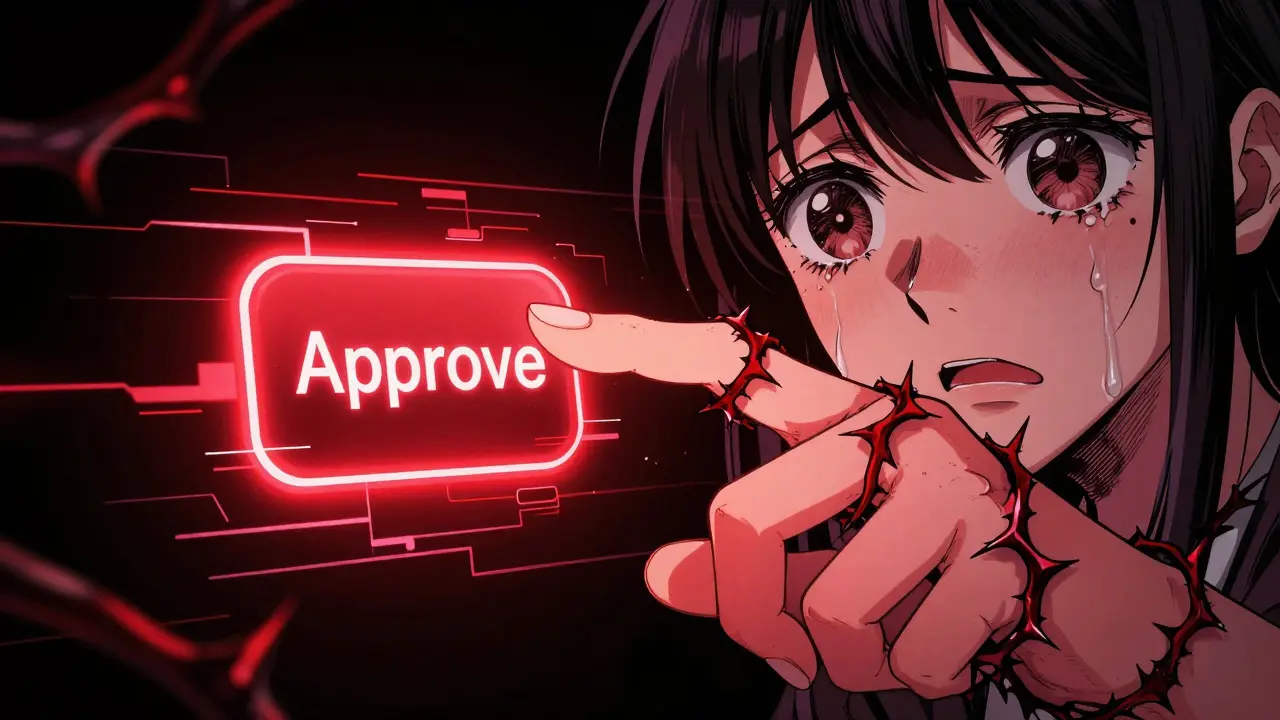
- The Trap: Many malicious tokens require you to approve a transaction to "claim" or "swap" them. Once you sign this transaction, you are granting the attacker unlimited access to your other assets in that wallet.
- The Drain: Within seconds, the hacker drains your ETH, USDT, or other valuable holdings. Because blockchain transactions are irreversible, there is no customer support to call. Your money is gone forever.
This technique exploits the complexity of Smart Contracts. Most users do not read the code they are signing. They see a button that says "Approve" or "Claim" and click it. That single click is enough to compromise your entire financial identity on the blockchain.
How to Protect Yourself: Practical Security Steps
Protecting yourself in the modern crypto landscape requires more than just a strong password. You need a layered defense strategy. Here are actionable steps to keep your assets safe from scams like the SafeLaunch airdrop.
1. Use Hardware Wallets with Filtering
Software wallets are convenient, but hardware wallets offer superior security. Devices like Trezor have introduced features specifically to combat this threat. For example, Trezor Suite version 24.7.3 automatically detects known scam tokens and blurs them out, moving them to a hidden section. This prevents accidental interaction. If you are using a software wallet like MetaMask, consider installing extensions that filter spam tokens.
2. Never Approve Unknown Contracts
Before you sign any transaction, ask yourself: Do I know this website? Do I trust this contract address? If you are trying to swap a random token, use a decentralized exchange (DEX) aggregator that allows you to revoke approvals. Tools like Revoke.cash allow you to see which contracts have access to your wallet and remove that permission instantly. If a contract has unlimited approval, revoke it immediately.
3. Ignore Unsolicited Messages
Legitimate projects rarely DM you on Telegram or Discord offering free tokens. They announce airdrops through official channels: verified Twitter accounts, blog posts, and governance forums. If you receive a direct message claiming you are eligible for a SafeLaunch airdrop, block the sender. Do not click any links. Do not connect your wallet to the provided site.
4. Separate Your Funds
Adopt the "Hot Wallet vs. Cold Wallet" strategy. Keep only a small amount of crypto in your hot wallet (the one connected to the internet for daily interactions). Store the bulk of your assets in a cold wallet or a separate account that never interacts with unknown dApps. If your hot wallet gets drained, your savings remain untouched.
What Should You Do With the SFEX Tokens Now?
If you already have SFEX tokens in your wallet, do not panic, but act carefully. Here is the step-by-step process to neutralize the threat:
- Do Not Click Anything: Resist the urge to click on the token icon or try to sell it immediately.
- Hide the Token: Most wallets allow you to hide specific assets. Right-click the token or go to settings and select "Hide." This removes it from your view, reducing the temptation to interact with it.
- Check Approvals: Visit Revoke.cash and connect your wallet. Look for any recent approvals related to SafeLaunch or unknown addresses. Revoke them if found.
- Monitor Activity: Keep an eye on your wallet balance for any unauthorized outgoing transactions. If you notice anything suspicious, move your remaining funds to a new wallet address immediately.
The Broader Context: Airdrop Trends in 2026
The crypto industry has matured significantly. In earlier years, airdrops were simple giveaways to build hype. Today, they are strategic tools for decentralization. Projects like EigenLayer introduced restaking, rewarding users who contribute to network security rather than just clicking buttons. Projects like Monad and Abstract focus on high-performance infrastructure, requiring genuine user engagement to qualify for rewards.
These legitimate campaigns share common traits:
- Clear Eligibility Criteria: You know exactly what actions qualify you (e.g., bridging funds, providing liquidity).
- Transparent Timelines: Dates for snapshot and distribution are published in advance.
- Active Development: The project has ongoing updates, GitHub commits, and community growth.
SafeLaunch lacks all of these. It does not fit the profile of a modern, legitimate Web3 project. It fits the profile of a legacy scam tactic repackaged for today's markets.
Conclusion: Trust Data, Not Hype
In the world of cryptocurrency, information is power. When you encounter an opportunity like the SafeLaunch (SFEX) airdrop, let the data guide your decision. Zero volume, zero transparency, and zero community presence are not signs of a hidden gem; they are signs of a dead end. By prioritizing security, using proper tools, and maintaining healthy skepticism, you can navigate the crypto space safely. Remember, if you didn't earn it through participation, you likely didn't earn it at all. Protect your keys, protect your privacy, and keep your wealth secure.
Is the SafeLaunch (SFEX) airdrop legitimate?
Based on available data, the SafeLaunch (SFEX) airdrop appears highly illegitimate. The token has $0 trading volume, no public tokenomics, and no verifiable team. These are classic indicators of a scam or an abandoned project. Legitimate airdrops come from projects with active development and transparent communication.
Can I lose money by holding spam tokens in my wallet?
Simply holding the tokens does not cost you money. However, attempting to sell, swap, or interact with the token's smart contract can trigger malicious code that drains your wallet. Always hide spam tokens and avoid interacting with their contracts unless you have thoroughly audited the code.
How do I remove scam tokens from my MetaMask wallet?
You cannot "delete" tokens from the blockchain, but you can hide them from your view. In MetaMask, click on the token, then click the three dots menu and select "Hide." Alternatively, you can import a clean wallet address and transfer your legitimate assets there, leaving the spam tokens behind.
What is a smart contract approval scam?
A smart contract approval scam occurs when you grant a malicious contract permission to spend your tokens. Scammers trick you into approving this via a fake airdrop claim page. Once approved, they can drain your funds without further permission. Use tools like Revoke.cash to manage and remove these approvals.
Are there any safe airdrops in 2026?
Yes, many legitimate projects run airdrops. Look for projects with strong communities, verified social media accounts, and clear eligibility criteria. Examples include Layer 2 solutions and DeFi protocols that reward actual usage. Always research the project's background and tokenomics before participating.